Anu: The Wild Display Font That Brings Raw Energy to Design
You know that moment when you're scrolling through endless font libraries, looking for something that doesn't feel polished into oblivion? Something with teeth, texture, and a story to tell? That's exactly what drew me to Anu. It's a wild display font with an incredible tactile quality that immediately grabs attention. If you've been searching for a typeface that breaks away from sterile minimalism and injects some genuine personality into your work, this might be the creative tool you didn't know you were missing.
Understanding the Visual Power of a Texture-Driven Typeface
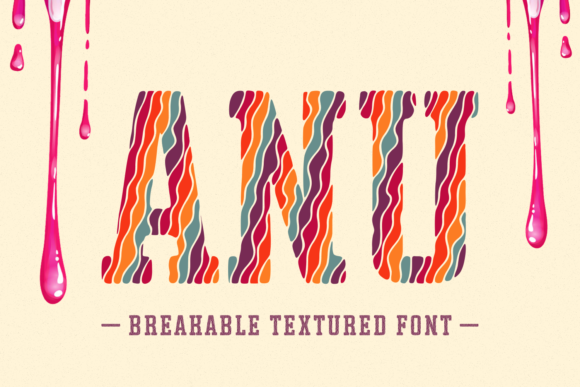
Most fonts we encounter daily are designed to disappear. They're built for long-form reading, optimized for screens, and intentionally neutral. Anu operates on an entirely different principle. As a display font, its job isn't to blend in—it's to command attention at large sizes. The "wild" quality comes from its raw, organic texture. Think of it less like a cleanly printed letter and more like something etched, scratched, or drawn by hand with imperfect tools. This texture gives each character a sense of depth and movement that flat, digital typefaces simply can't replicate.
This visual approach works because it taps into something human. We're drawn to imperfections and handcrafted details. In a sea of smooth, predictable typography, a font like Anu feels authentic and alive. It doesn't look like it came from a template. It looks like it has a history, which is a powerful asset when you're trying to make an emotional connection with an audience. The striking touch it provides isn't just about being loud; it's about being memorable and creating a sensory experience through visual design.
Matching Anu's Energy to the Right Projects
A font this distinctive requires thoughtful application. You wouldn't use a wild, textured display font for body copy in a legal document, but that's not what it's for. Its strength lies in creating focal points. Imagine it on a craft brewery logo, where the rough texture mirrors the artisanal brewing process. Picture it on a poster for an outdoor music festival, evoking a sense of adventure and raw sound. Consider it for the headline of a lifestyle blog focused on sustainable living or DIY crafts, immediately setting a tone that's earthy and hands-on.
Here’s where Anu can genuinely elevate a project:
- Branding & Logo Design: For brands that want to project authenticity, rebellion, or craftsmanship. A coffee roaster, a boutique distillery, a custom motorcycle shop, or an independent record label could build a powerful visual identity around its character.
- Packaging Design: On product labels for artisanal foods, natural cosmetics, or specialty goods, the textured letterforms add a perceived value and tactile quality that suggests something made with care.
- Social Media & Web Design: Use it for standout headlines on Instagram graphics, YouTube thumbnails, or website hero sections. It stops the scroll and communicates a brand's personality in a split second. Pair it with a clean sans serif font for body text to maintain readability.
- Print & Editorial: Magazine covers, event posters, book covers for genres like fantasy or thriller, and editorial layouts can leverage its dramatic flair. It’s also fantastic for creating unique merchandise like t-shirts or tote bags where the type itself becomes the graphic.
The key is intentionality. Use Anu for headlines, logos, and short, impactful phrases where its details can shine. Let it set the mood, then support it with simpler, more legible typefaces for longer text. This balance is the essence of effective font pairing.
Practical Tips for Working with a Characterful Font
Integrating a premium font like this into your workflow is straightforward, but a few considerations will help you get the best results.
Context is Everything. Before you even install the font, define the project's goal. Is it to feel rebellious, organic, vintage, or powerful? Anu's personality should align with that core message. A mismatch—like using it for a children's daycare brand—would create confusion.
Prioritize Readability at Scale. Always test your chosen text at the actual size it will be viewed. A beautifully textured letter "a" might lose its definition when reduced too small. Display fonts are meant for large applications. If you need to use it for a subheading, ensure the letters remain distinct and don't blur into a textured mass.
Explore the Included Styles. Many quality display fonts come with multiple weights or stylistic alternates. Check if Anu includes variations like a bold or a condensed style. These options give you more flexibility to create hierarchy and emphasis within your designs without sacrificing the core aesthetic.
Test Pairings Methodically. The most effective way to use a strong display font is in contrast with a simpler companion. Try pairing it with a geometric sans serif like Montserrat or a classic serif font like Lora. The goal is visual harmony: the display font grabs attention, and the secondary font provides clear, comfortable reading. Never pair two highly decorative fonts together.
Understand the License. If you're using this for commercial work—for a client, for products you sell, or for monetized content—confirm the font's licensing. Most reputable foundries offer clear commercial licenses. This isn't just a legal formality; it's an investment in professional design assets and supports the creators who make these tools possible.
Beyond Aesthetics: Building Recognition and Connection
Choosing a typeface like Anu is more than a stylistic preference; it's a strategic decision in visual communication. Consistency is a pillar of strong brand identity. When you use a unique font consistently across your logo, website, social media, and packaging, you create a recognizable visual signature. People start to associate that specific typographic style with your brand before they even read the words. It becomes a symbol in itself.
This recognition builds trust and professionalism. A cohesive visual presentation, anchored by a distinctive typeface, signals that you've paid attention to detail. It makes your brand feel more established and intentional, whether you're a solo entrepreneur or a growing company. Furthermore, a font with personality engages your audience on an emotional level. It can make a marketing campaign feel more exciting, a blog post more inviting, or a product feel more special. It transforms text from mere information into an experience.
In the end, the right font is a partner in your creative process. Anu, with its wild texture and striking presence, offers a way to break from the ordinary. It’s for projects that demand to be seen and felt, not just read. When used thoughtfully, it doesn't just display words—it amplifies your message and leaves a lasting impression.