Lowen: A Modern Typeface That Commands Attention
There’s a moment in every design project where the typeface either elevates the idea or holds it back. You’ve sketched the logo, chosen the color palette, and envisioned the final product—but something feels unfinished. The message isn’t landing with the visual punch you intended. Often, the missing piece is a typeface with real presence, one designed not just to be read, but to be seen. That’s where a display font like Lowen enters the conversation, offering a blend of modern clarity and striking boldness that can transform a good design into a memorable one.
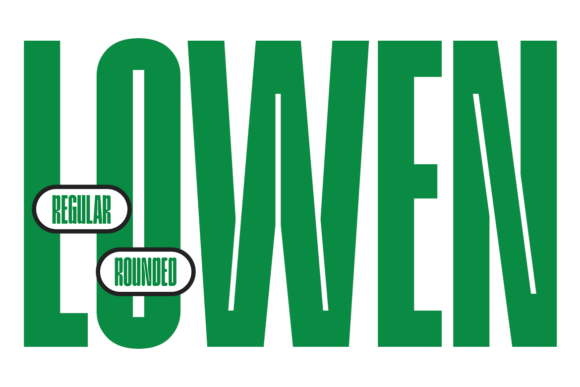
Lowen is a modern display typeface built for impact. It arrives with two distinct styles: a regular version with sharp, confident lines, and a rounded alternative that softens the edges for a more approachable feel. This duality is its core strength. Whether you’re crafting a brand identity for a tech startup, designing packaging for a new snack food, or creating social media graphics that need to stop a scroll, Lowen provides a versatile foundation that adapts to your creative goals without sacrificing legibility.
Understanding the Visual Character of Lowen
What makes a display font effective? It’s not just about being big and bold. A successful display typeface balances distinctiveness with readability. Lowen achieves this through clean, well-defined letterforms and thoughtful negative space. The letter shapes are modern, avoiding unnecessary flourishes that can date a design or complicate reproduction at small sizes. This makes it a surprisingly practical premium font for more than just headlines.
The regular style projects authority and sleekness. Its sharp terminals and geometric influences give it a contemporary, almost architectural quality. Think of it for a finance app’s dashboard headers, a high-end product label, or the title slide of a corporate presentation. The rounded style, on the other hand, injects warmth and friendliness. The subtle softening of corners makes it feel more human and accessible, ideal for a children’s brand, a wellness blog, or an invitation to a casual event.
This flexibility within a single typeface family is a significant asset for maintaining visual consistency across a project. You can use the rounded style for playful social media posts and the regular style for formal website headings, and they will still feel connected. This cohesion is fundamental to strong brand recognition.
Where Lowen Truly Shines: Practical Applications
Theory is useful, but application is everything. Let’s break down where a font like Lowen can be put to work effectively, moving beyond the obvious to consider real-world scenarios.
- Logo Design & Brand Identity: A logo needs to work at the size of a favicon and on a billboard. Lowen’s clear structure ensures it remains recognizable at various scales. The two styles allow you to choose a primary logotype that perfectly matches your brand’s personality—whether that’s innovative and direct (regular) or creative and welcoming (rounded).
- Packaging Design: On a crowded shelf, packaging has milliseconds to communicate. Lowen’s high-impact nature can make product names and key claims pop. Consider using the rounded style for organic snack packaging or the regular for a sleek electronics box. Pair it with a simple sans serif font for body text to ensure ingredient lists and instructions remain easy to read.
- Digital Presence & Marketing: For websites, blogs, and social media graphics, Lowen can create dynamic headers and call-to-action buttons that draw the eye. In email marketing campaigns, a compelling headline set in Lowen can improve open and click-through rates by making the message feel urgent and important. It’s a powerful tool in your marketing assets toolkit.
- Print & Editorial Layouts: Think of magazine covers, poster headlines, or chapter titles in a book. Lowen brings a professional polish to editorial design. Its legibility at smaller display sizes also makes it suitable for pull quotes or subheadings in a brochure, adding visual interest without overwhelming the main body text, which should typically be a classic serif font or neutral sans serif.
- Merchandise & Invitations: From t-shirts and tote bags to wedding invitations and event posters, Lowen’s character shines. The rounded style is perfect for a friendly community event flyer, while the regular style could lend sophistication to a gala invitation or a boutique’s merchandise.
Making Lowen Work for Your Project
Choosing a font is just the first step. Using it effectively is what separates amateur work from professional presentation. Here’s how to integrate Lowen thoughtfully into your workflow.
Start with Your Goal. Are you trying to convey innovation, tradition, playfulness, or luxury? Select the Lowen style that aligns with that emotional tone. Test it early in your design process. Set your key headline in both the regular and rounded versions. Which one feels right for the project’s voice? This simple test can save hours of redesign later.
Master the Art of Font Pairing. A display font like Lowen is a star player, but it needs a supporting cast. Because it’s so bold, it pairs best with understated, highly readable fonts for longer text. A geometric sans serif font for body copy creates a clean, modern system. A traditional serif font can offer a beautiful contrast for more elegant projects. Avoid pairing it with other decorative or handwritten fonts, as this will create visual chaos. The goal is hierarchy and clarity.
Prioritize Readability Above All. Even the most beautiful font fails if people can’t read it. Test your Lowen headlines at the actual size they’ll be viewed. On a mobile screen? On a poster from ten feet away? Ensure the letter spacing (tracking) and line height (leading) are adjusted for perfect legibility. The font’s built-in negative space is a great starting point, but fine-tuning is always necessary.
Review the Full Character Set. Before finalizing a design, explore all the glyphs Lowen includes. Does it have the punctuation, symbols, and accented characters you need for your project’s language? Knowing your design assets inside and out prevents frustrating last-minute surprises.
Understand the Licensing. As a commercial font, Lowen comes with a license that governs its use. If you’re designing for a client, a product for sale, or any commercial enterprise, ensure the license you purchase covers that specific use case. Reputable foundries are clear about their terms, and respecting them is part of professional practice.
A Type for the Modern Creative
In a landscape saturated with visual noise, having a typeface that can cut through with clarity and style is invaluable. Lowen is more than just a modern typeface; it’s a strategic tool for visual communication. Its two styles offer a spectrum of expression, from the assertive to the affable, allowing you to tailor your typography precisely to your audience and message.
Whether you’re a small business owner building your first brand kit, a content creator looking to upgrade your thumbnails and titles, or a designer seeking a reliable workhorse for logo design and layouts, Lowen provides a compelling blend of aesthetics and function. It encourages you to think not just about what your words say, but how they are presented. By choosing a font that commands attention and pairs it with thoughtful design principles, you ensure your projects don’t just communicate—they resonate.