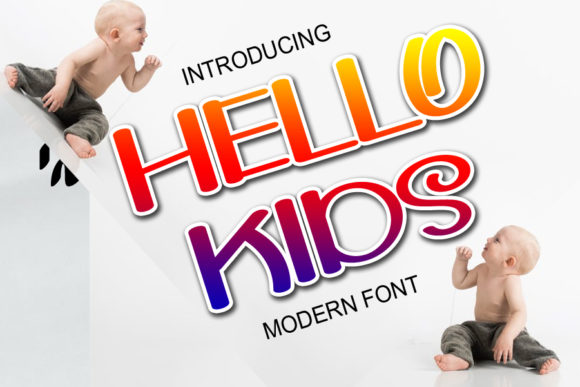
Yoga: A Bold Display Font for Modern Creators
There's a particular energy that catches your eye in a crowded feed or on a store shelf. It's often not the photograph or illustration itself, but the typography layered over it. A bold, confident typeface can do more than just label something. It can set a mood, communicate a brand's personality in a split second, and make a design feel intentionally crafted. This is the space where a font like Yoga operates. It's a bold, all caps display font that balances modern trendiness with a clean, versatile aesthetic, making it a practical tool for a wide range of creative and commercial projects.
More Than Just Letters: The Visual Personality of a Font
At first glance, Yoga presents itself with strength and clarity. Its all-caps design ensures immediate impact, perfect for headlines, logos, and any text that needs to command attention. But what makes it feel current is its subtle geometric foundation paired with smooth, rounded terminals. This combination avoids the cold, rigid feel of some geometric sans-serif fonts, instead offering a friendly and approachable boldness. It doesn't scream; it speaks with confident assurance. This visual personality makes it incredibly adaptable. It can feel playful for a children's brand, sophisticated for a boutique, or energetic for a fitness studio, depending on the context and accompanying design elements.
Understanding this personality is key to using it effectively. When you select a display font like this, you're not just choosing a set of glyphs. You're selecting a voice for your project. The right premium font acts as a foundational design asset, shaping how your audience perceives your message before they even read the words. Yoga provides that strong visual foundation without overwhelming the rest of your design.
Practical Applications: Where This Typeface Shines
The real test of any creative font is how it performs in the wild. A typeface that looks great in a specimen sheet but fails in application is of little use. Here’s where a versatile display font like Yoga finds its purpose across various mediums:
- Branding & Logo Design: A logo must be memorable and scalable. The bold, clean lines of this font make it excellent for creating strong wordmarks or for pairing with a simple icon. Its readability at various sizes ensures your brand name remains clear whether it's on a business card or a billboard.
- Packaging Design: On a shelf, you have seconds to make an impression. Bold typography on packaging can communicate product benefits, brand name, and category instantly. Think of a coffee bag, a skincare bottle, or a snack package where the product name needs to pop.
- Social Media Graphics & Web Design: In the fast-scrolling environment of Instagram, Facebook, or Pinterest, bold text stops the scroll. Use it for quote graphics, sale announcements, podcast episode titles, or website hero sections to create immediate visual hierarchy and engagement.
- Print Materials & Posters: From event posters to flyers and magazine covers, Yoga provides the necessary weight and presence. It ensures your key information is legible from a distance and contributes to a professional, polished look in editorial design.
- Merchandise & Invitations: On a tote bag, t-shirt, or greeting card, a distinctive typeface becomes part of the product's appeal. Its trendy yet timeless quality means designs won't feel dated quickly, which is crucial for commercial font applications where longevity matters.
Essentially, for any project where you need a headline to carry weight—be it digital or physical—this font style delivers. It’s about creating a focal point that guides the viewer's eye exactly where you want it.
Enhancing Your Visual Communication Strategy
Choosing a font is a strategic decision that impacts several core aspects of your project's effectiveness. Incorporating a tool like Yoga into your workflow can help improve:
- Visual Consistency: Using one strong, versatile typeface for all your primary headlines across your website, social media, and print materials creates a cohesive brand experience. This consistency builds familiarity and professionalism.
- Brand Recognition: A distinctive font becomes part of your brand's visual identity. Over time, your audience may start to associate that bold, friendly typography style with your business, much like recognizing a friend's handwriting.
- Readability & Hierarchy: While it's a display font, its clarity ensures that even at larger sizes, the message is communicated effortlessly. Pairing it with a clean sans-serif font for body text creates an effective and easy-to-read typographic hierarchy.
- Audience Engagement: Typography that resonates with your target audience can increase engagement. A modern, approachable bold font can make a brand feel more relatable and trustworthy, encouraging viewers to read on, click through, or make a purchase.
Making It Work: Practical Tips for Implementation
Having a great font is one thing; using it well is another. Here’s some practical advice for integrating a display font like this into your projects:
- Define the Goal First: Before you even open your design software, ask: What is the primary message? Who is the audience? Is the tone playful, serious, luxurious, or energetic? Your answers will guide whether this font is the right fit or if you need a different style, like a script font for elegance or a serif font for tradition.
- Test Font Pairings: A display font rarely works alone. Experiment with pairing it. It often works beautifully with a simple, neutral sans-serif for body copy. The contrast creates visual interest while maintaining readability. Spend time testing combinations in the context of your actual content, not just with "Lorem Ipsum."
- Consider Readability in Context: Always test your typography in its final environment. View a website mockup on a phone screen. Print a poster at actual size. Check that the font remains legible against its background and at the intended viewing distance. Avoid using all-caps display fonts for long paragraphs of text, as they can become difficult to read.
- Review the Full Family: Check what styles and weights are included. Many premium fonts come with variations—light, regular, bold, italic—that can add nuance to your designs. Understanding the full scope of your asset allows for more sophisticated and flexible typography systems.
- Understand Licensing: For any commercial font, always review the licensing terms. Ensure the license covers your intended use, whether it's for client work, merchandise, digital products, or software embedding. This is a critical step to avoid legal issues down the line and is a mark of a professional designer.
Ultimately, the best font is one that serves the project's needs while aligning with your creative vision. Yoga offers a specific blend of boldness and approachability that can be a powerful addition to your design assets. It’s about finding the right tool for the job and using it with intention to communicate more effectively, build stronger brands, and create designs that truly connect with people.