Reviving Vintage Sophistication: The Granite Typeface
Imagine the polished brass of an old clock, the textured spine of a leather-bound book, or the faded elegance of a historic movie poster. There is a specific weight and character to mid-century design that modern minimalism often misses. We live in an era dominated by clean, geometric sans-serifs, yet there is a growing hunger for designs that feel grounded, human, and full of history. If you are a designer or business owner trying to bridge the gap between nostalgic charm and contemporary clarity, you need a tool that speaks that language. Enter Granite, a display font that captures the essence of vintage allure while maintaining the crispness required for modern digital and print environments.
The Visual Weight of Character
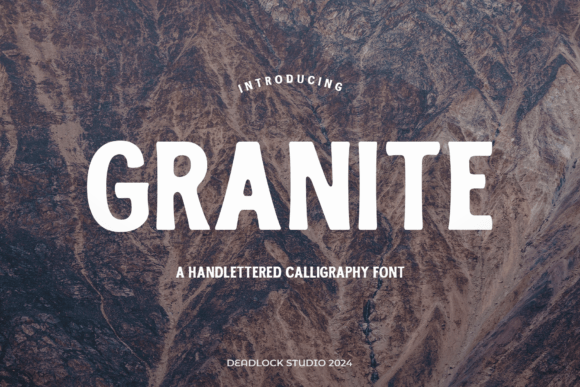
Granite is not just another serif; it is a meticulously crafted typeface that pays homage to classic typography with a distinct modern twist. When you look at the letterforms, you will notice the "ink traps" and subtle imperfections that give vintage printing its soul. It possesses a sturdy, architectural quality—hence the name—suggesting permanence and reliability. This font doesn't just sit on the page; it commands attention. The serifs are pronounced and stylish, offering a rhythm that guides the eye comfortably across headlines. It is a typeface that feels "lived-in" but remains incredibly sophisticated, making it a versatile asset for anyone looking to inject personality into their visual identity.
Practical Applications: From Packaging to Digital Screens
The true test of a premium font is its adaptability. You might love a typeface on a mood board, but can it survive the transition from a billboard to a mobile screen? Granite excels here. Because it is available in OTF, TTF, and WOFF formats, it integrates seamlessly into virtually any workflow. This cross-platform compatibility ensures that your brand voice remains consistent whether a customer is reading a PDF menu on their tablet or looking at a physical sign on a storefront.
Consider the versatility required in modern creative work:
- Logo Design & Branding: Granite offers the "timeless" factor. It avoids trendy gimmicks that might look dated in two years, ensuring your brand identity has longevity. It works beautifully for boutique hotels, artisanal bakeries, or high-end consultancies.
- Packaging Design: On physical goods, texture matters. Granite mimics the feel of high-quality letterpress, adding perceived value to the product inside the box.
- Editorial & Blog Layouts: While it is a display font, its clarity makes it a strong candidate for sub-headlines or pull quotes in editorial design, breaking up the monotony of standard body text.
- Social Media & Marketing Assets: In a fast-scrolling feed, you have milliseconds to grab attention. The unique personality of Granite stops the thumb. It is perfect for creating quote graphics, announcement headers, and promotional banners that require a touch of class.
- Invitations & Merchandise: For wedding stationery or event posters, Granite provides that romantic, vintage flair that script fonts often struggle to balance with readability.
Unlocking Creative Potential with OpenType Features
One of the standout features of Granite is its PUA (Private Use Area) encoding. If you are new to typography, this might sound technical, but it is actually a gateway to creative freedom. PUA encoding allows you to access a wealth of alternate glyphs and ligatures without needing specialized design software.
What does this mean for your project? It means you aren't stuck with a "one-size-fits-all" look. If you are designing a logo and the standard lowercase "g" doesn't quite fit the vibe, you can easily swap it for a stylistic alternate that flows better with the surrounding letters. You can create custom ligatures where letters connect in unique ways, giving your text a bespoke, hand-crafted feel. This level of customization is usually reserved for high-end custom type design, but Granite puts it in your toolkit, allowing you to refine your typography until it perfectly matches your vision.
Strategic Typography: Matching Font to Goal
Choosing a font is a strategic business decision, not just an aesthetic one. The typeface you choose signals your brand's personality to the audience before they even read the words. Granite signals heritage, trust, and creativity.
If you are a small business owner, think about your customer journey. Are you selling a product that relies on tradition and craftsmanship? Granite aligns perfectly with that narrative. However, typography rarely works in isolation. A key piece of advice for using a display font like Granite is to focus on font pairing.
Because Granite has such a strong personality and detailed serifs, it pairs best with a simple, clean sans-serif font for body text. Imagine a website header in Granite—bold and authoritative—followed by a paragraph in a neutral sans-serif like Helvetica, Roboto, or Open Sans. This contrast creates a visual hierarchy that improves readability and keeps the design from feeling cluttered. The display font handles the "emotion," while the sans-serif handles the "information."
Ensuring Professional Polish and Readability
While Granite is designed to be visually captivating, readability should always be your north star. As a display typeface, it shines brightest at larger sizes—think headlines, titles, and logos. Avoid using it for long blocks of small body text, where the intricate details of the serifs might become muddy or distracting on lower-resolution screens.
When implementing Granite in your designs, pay attention to spacing (tracking and kerning). Vintage-style fonts often benefit from a little extra breathing room between letters to maintain that airy, luxurious feel. Test your designs on multiple devices. Does the header look as good on an iPhone as it does on a 27-inch monitor? Does the packaging text remain legible under low light? Granite’s robust construction ensures it holds up well, but always review your work to ensure a professional presentation.
Ultimately, Granite is more than just a collection of letters; it is a design asset that helps bridge the past and the present. It offers a solution for creatives who want their work to feel substantial, memorable, and timeless. Whether you are refreshing a brand identity or launching a new product line, incorporating a typeface with this much depth can be the defining element that elevates your project from standard to exceptional.